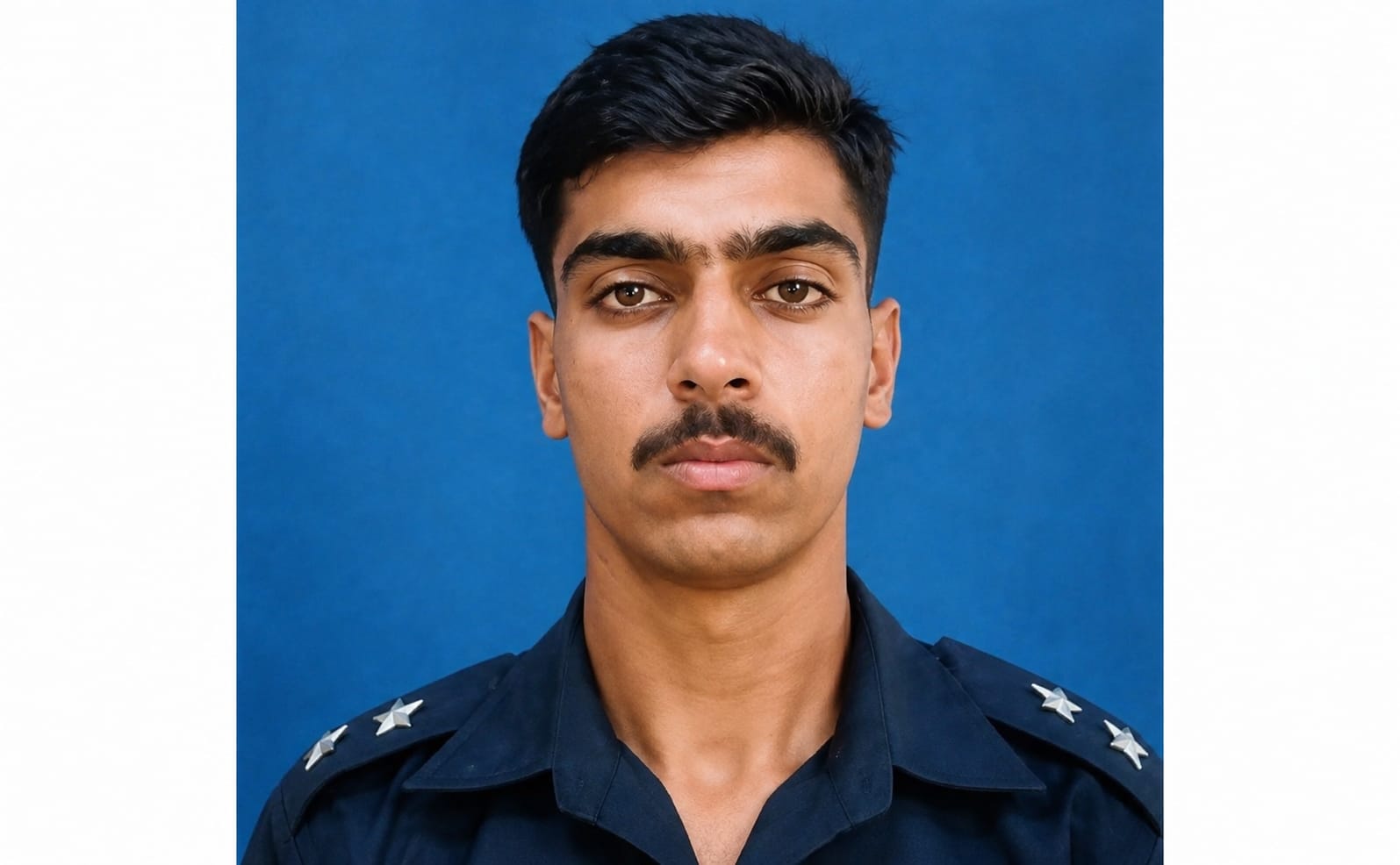
Before Kargil
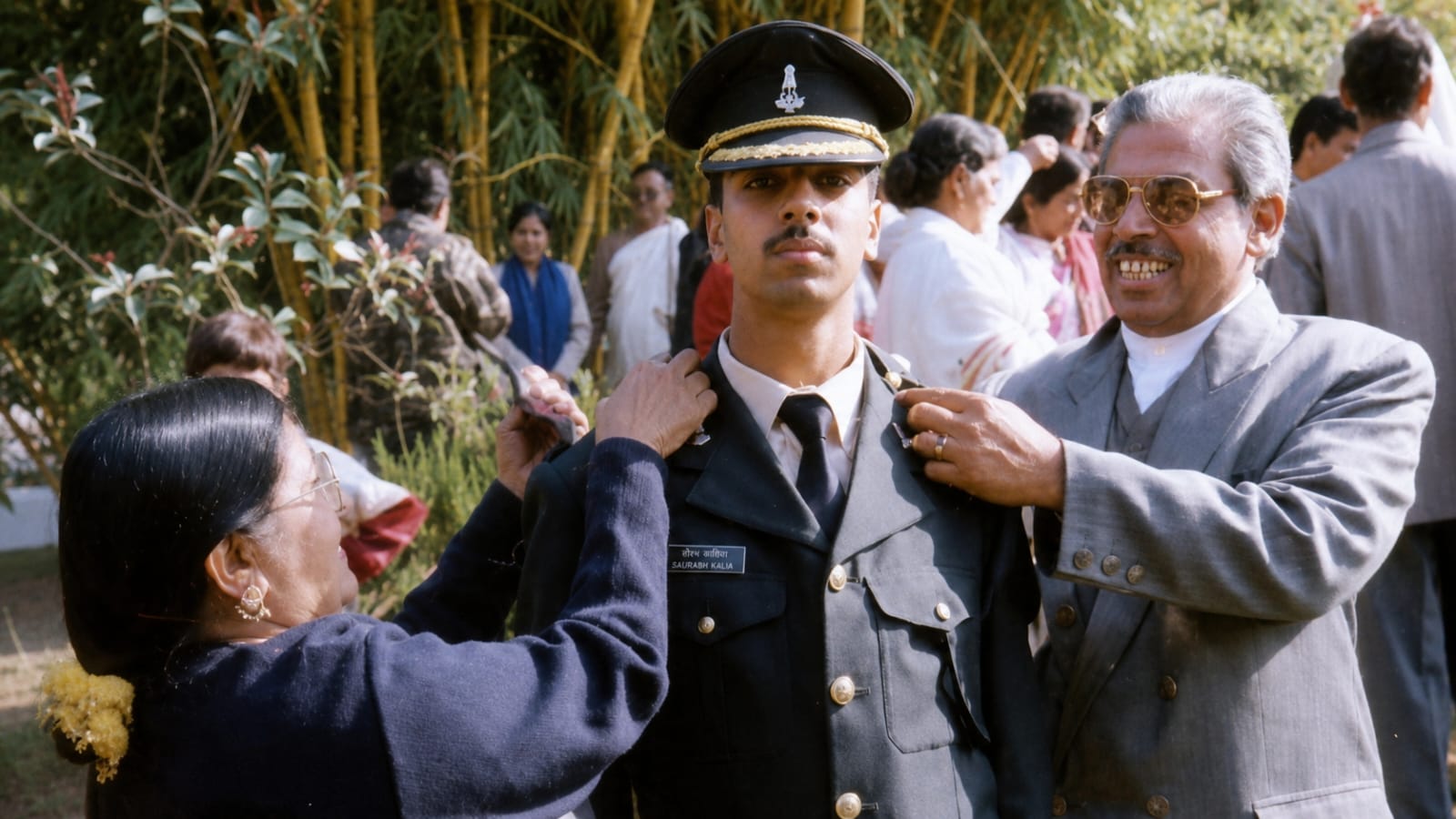
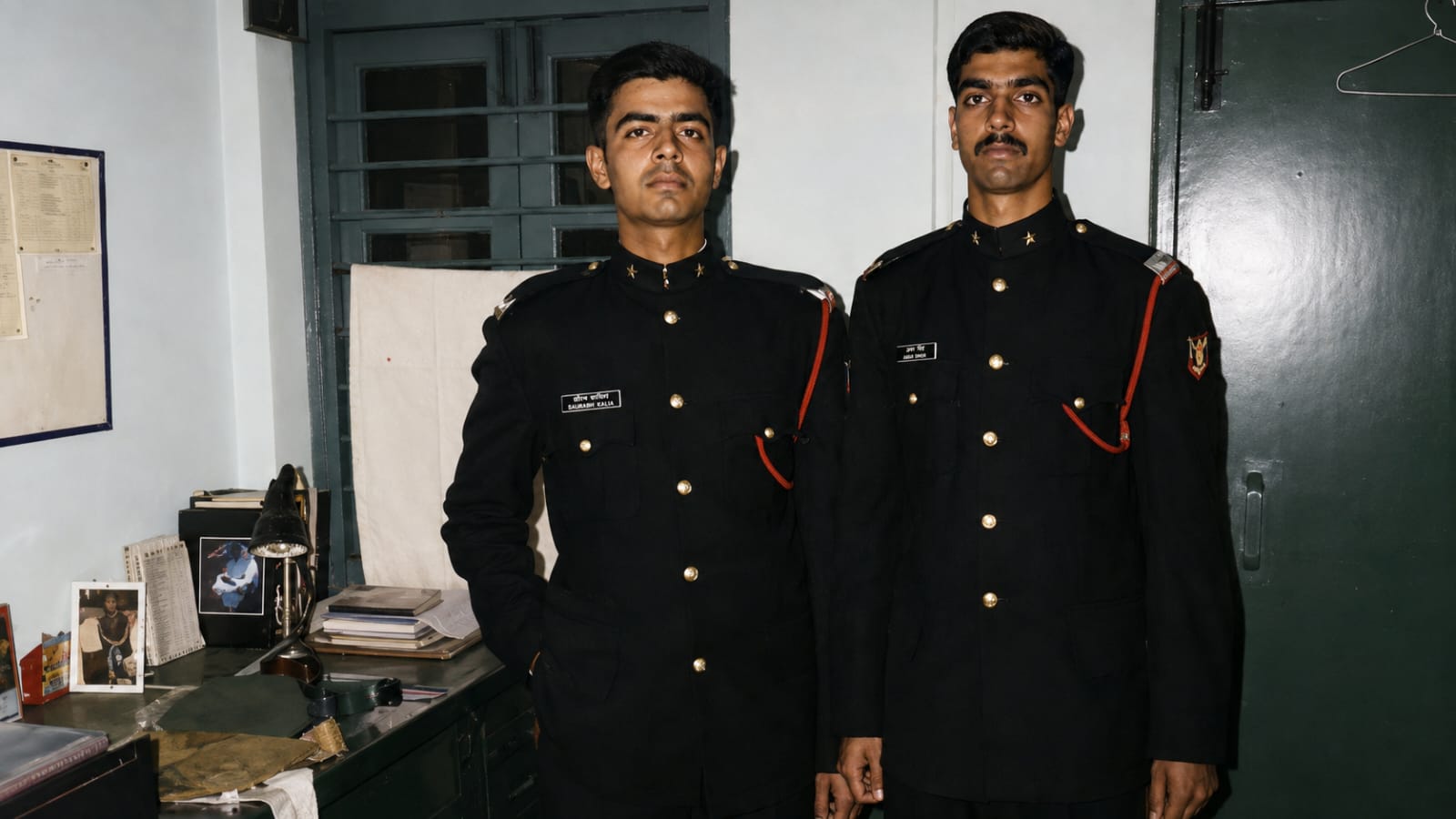
Kalia was commissioned into the Indian Army in December 1998 and posted to 4 JAT in mid-January 1999 — barely four months before the war that would define his name. He was 22 years old.
The patrol that triggered a war
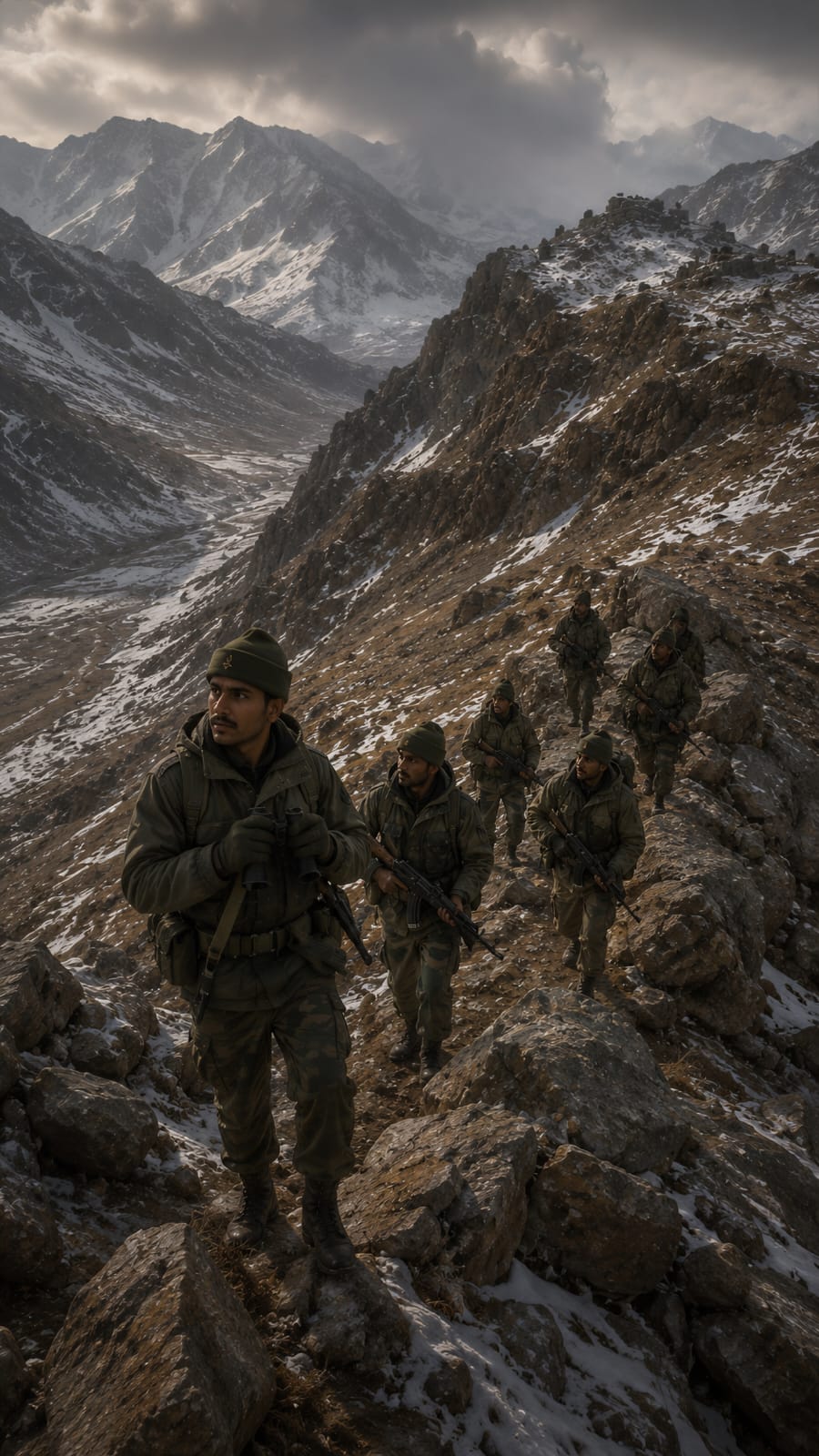
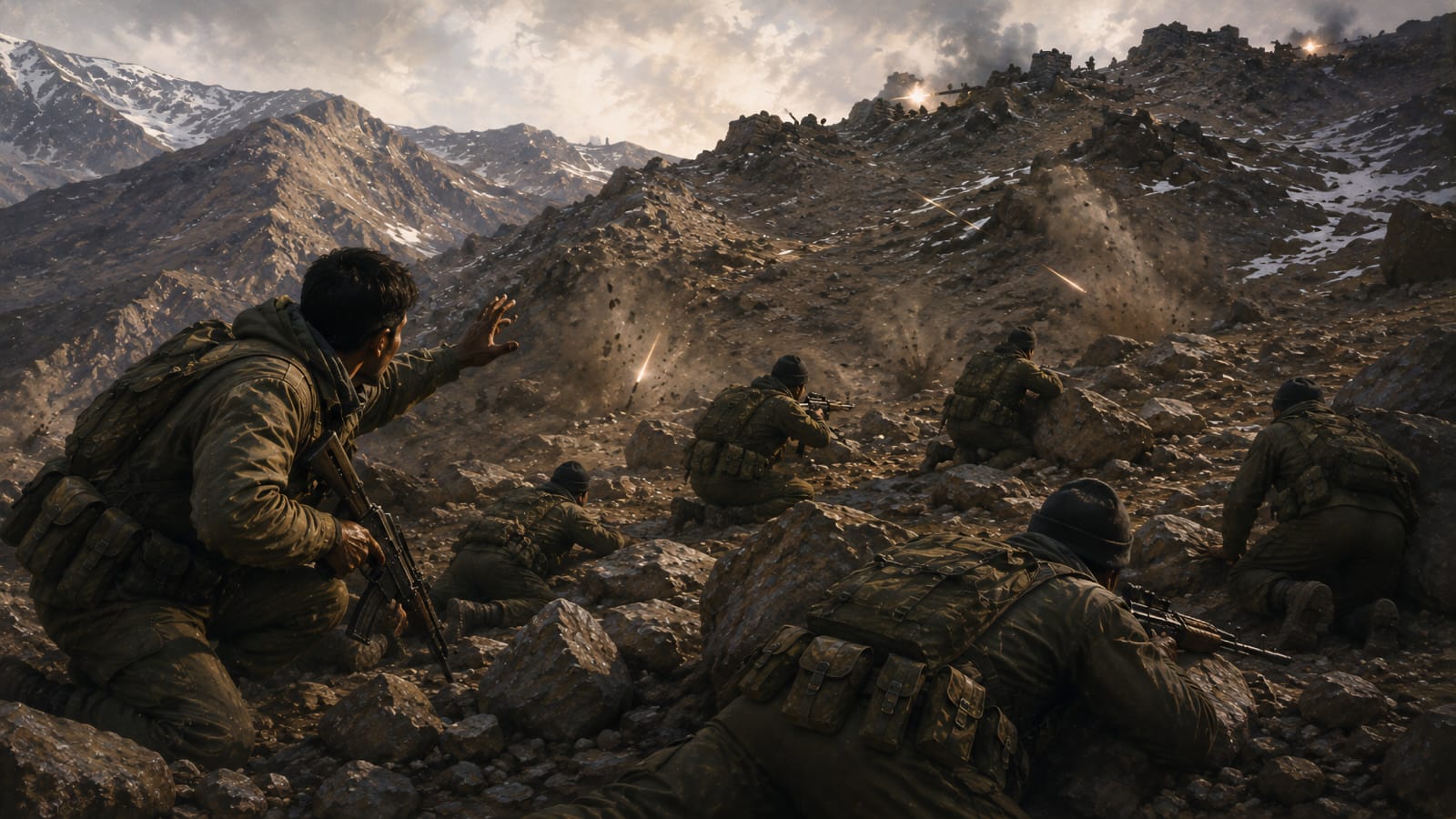
In the first two weeks of May 1999, Kalia's unit noted unusual movement near the Line of Control in the Kaksar–Batalik sector. He led patrols on three occasions to investigate. On 15 May, he volunteered to take five soldiers up to Bajrang Post, at roughly 13,000–14,000 feet, to check whether posts vacated over winter had been reoccupied. What they found was not a handful of infiltrators but a large-scale, entrenched intrusion — the first confirmed sighting of what would be identified as the Kargil intrusion, and the trigger for India's response, Operation Vijay.
Twenty-two days in captivity
During the firefight that followed, Kalia's patrol ran out of ammunition and was encircled by Pakistani forces before Indian reinforcements could reach them. Radio Skardu announced the capture. Kalia and his five soldiers — Arjun Ram, Bhanwar Lal Bagaria, Bhika Ram, Moola Ram and Naresh Singh — were held for 22 days. Post-mortem examination on their return found evidence of severe torture, and on 15 June 1999 India formally notified Pakistan of a breach of the Geneva Conventions. Their bodies were handed over to India on 9 June 1999.
A case still without a verdict
Despite triggering India's discovery of the Kargil intrusion and the documented torture that followed his capture, Kalia was never awarded a gallantry medal — an omission veterans' groups and his family have criticized for years. His father, Dr N.K. Kalia, took the case to the Supreme Court seeking a formal referral to the International Court of Justice over the Geneva Convention breach; successive governments called the move "not feasible" before signalling a partial reconsideration in 2017 under public pressure. More than two decades on, no one has been held accountable for the deaths.